

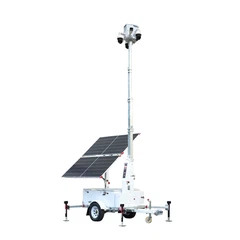
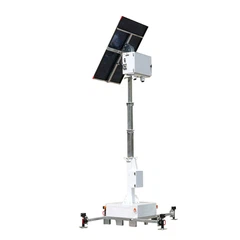
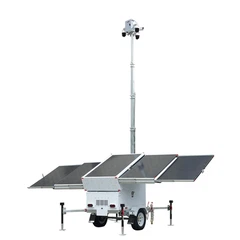

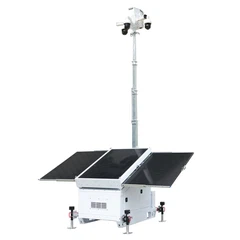
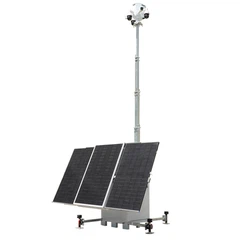
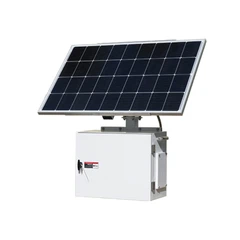
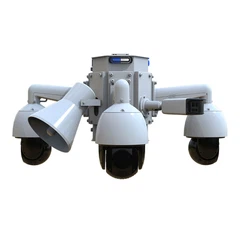
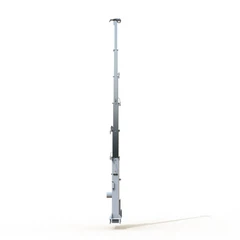


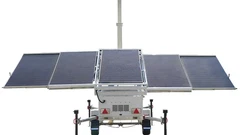


Reliable off-grid security demands consistent upkeep. While solar-powered surveillance trailers offer unmatched autonomy for remote locations, their long-term efficiency relies on routine maintenance. Proactive servicing is the most effective way to eliminate unexpected downtime, ensure 24/7 continuous operation, and protect the lifespan of your equipment.
📌 Key Takeaways
Solar Panels: Regular cleaning and thorough inspections are essential for optimal performance and longevity.
Battery Management: Proper battery maintenance ensures reliable power storage and extends battery life.
Electrical Safety: Secure wiring and correct electrical connections are critical for both safety and operational efficiency.
1. Regular Cleaning and Inspection of Solar Panels
Cleaning for Performance: Dust and debris drastically reduce energy efficiency. Clean panels using a soft squeegee and mild soapy water. Strictly avoid abrasive materials or harsh chemicals to prevent surface damage.
Inspecting for Damage: Routinely check the glass for cracks or discoloration, and ensure all mounting hardware is secure and rust-free. Promptly address any wear to prevent minor issues from causing system failures.
Recommended Frequency: Perform this maintenance at least every six months, preferably at the end of summer and winter. Units deployed in dusty or polluted areas require more frequent cleaning.

2. Battery Maintenance and Management
Choosing Your Battery: Systems typically use Lithium (high energy density, longer lifespan) or Lead-Acid (cost-effective, requires rigorous maintenance). Base your choice on operational needs and budget.
Routine Checks: Keep batteries in peak condition by inspecting terminals for corrosion, monitoring charge levels, and checking casings for swelling. Prevent complete discharges (deep cycling) to maximize overall lifespan.
Storage and Handling: Store batteries fully charged in a cool, dry place. Handle them carefully to avoid impact damage and always follow manufacturer storage guidelines.
Pro Tip: Conduct a quick monthly check of all connections and standard functions, followed by a thorough inspection every six months.

3. Wiring and Electrical Connections
Ensuring Secure Connections
When operating a mobile solar setup, secure connections are non-negotiable. Loose wiring can lead to power loss, system failure, and severe fire hazards. Always double-check that all wires are tightly fastened and use industry-standard connectors. Labeling your wires during setup can also save you a tremendous amount of time during future maintenance.
Wire Sizing and Selection
Choosing the correct wire gauge is essential for both system efficiency and fire safety. Undersized wires can overheat, while oversized wires add unnecessary costs. Always use a wire sizing calculator to determine the appropriate gauge for your specific setup.
Quick Reference for Common Wire Sizes:
| System Component | Recommended Wire Size |
| Solar Panels | 10–12 AWG |
| Battery Bank | 4–6 AWG |
| Inverter | 2–4 AWG |
Safety Protocols for Electrical Systems
Safety must always be your top priority. Before adjusting any connections, verify that the entire system is powered off. Incorporate inline fuses and circuit breakers to protect your equipment from overcurrent surges. If you are unsure about your setup, it is highly recommended to have a qualified electrician review your system to ensure compliance with local safety codes.

4. Inverter and Charge Controller Upkeep
These components are the brains of your power system, ensuring energy is converted and stored safely.
Regular Firmware Updates: Keep the firmware of your inverter and charge controller up to date. Manufacturers frequently release updates to patch bugs, enhance performance, and introduce new features.
Monitoring System Performance: Consistently track metrics like voltage, current, and overall power output using monitoring tools. This allows you to spot irregularities early and intervene before a system failure occurs.
Troubleshooting Common Issues: Even with perfect maintenance, issues like overheating, incorrect voltage readings, or connectivity drops can occur. Keep the manufacturer's troubleshooting guide on hand to minimize downtime for your surveillance operations.
5. Frequently Asked Questions (FAQ)
Q: How often should I clean the solar panels on my surveillance trailer?
A: It's best to clean your solar panels at least once a month to ensure maximum sunlight absorption. However, if your trailer is deployed in an area with heavy dust, pollen, or bird activity, you should clean them more frequently.
Q: What type of batteries are best for these trailers?
A: Most systems use either lithium-ion or lead-acid batteries. Lithium-ion batteries are highly recommended because they are more efficient, require less maintenance, and last longer, though they do come with a higher upfront cost.
Q: How can I ensure my electrical connections are safe?
A: Regularly inspect all connection points to ensure they are tight and free of corrosion. Always use the correct wire gauge (AWG) for your system's amperage, install appropriate fuses, and strictly adhere to electrical safety guidelines to prevent hazards.