

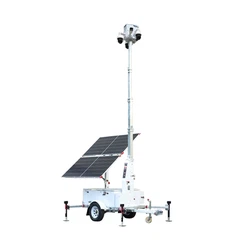
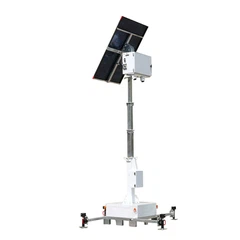
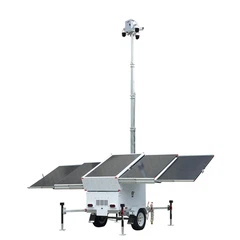

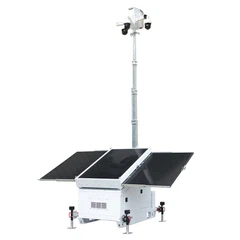


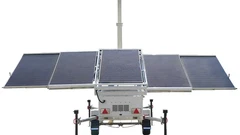


As industries worldwide shift toward renewable energy and sustainable practices, solar-powered light towers have emerged as an innovative alternative to traditional diesel- or fuel-powered lighting systems. These eco-friendly units are ideal for construction sites, remote projects, events, and emergency response scenarios where reliable, off-grid illumination is required. This article breaks down the technology behind solar-powered light towers, their components, and their advantages for industrial applications.

I. The Core Components of a Solar-Powered Light Tower
Solar light towers operate by harnessing sunlight, converting it into electricity, and storing it for later use. Here's a closer look at their key components and how they work together:
Solar Panels
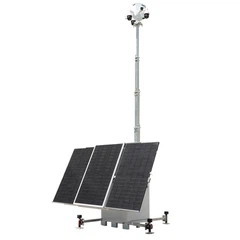
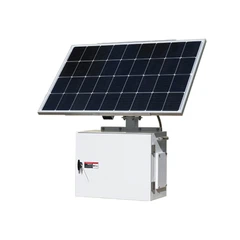
The system starts with photovoltaic (PV) panels, typically mounted on the tower or a separate frame. These panels absorb sunlight and convert it into direct current (DC) electricity through the photovoltaic effect. Modern solar panels are highly efficient, even in low-light conditions, ensuring consistent energy generation during daylight hours.
Battery Storage System
The generated electricity is stored in a bank of high-capacity lithium-ion or lead-acid batteries. These batteries are designed to withstand frequent charging and discharging cycles, providing a reliable energy reserve to power the lights during nighttime or cloudy days. Advanced systems include battery management technology to optimize lifespan and performance.
LED Lighting Array
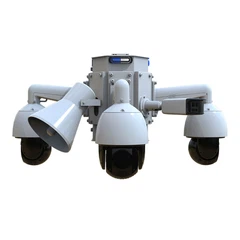
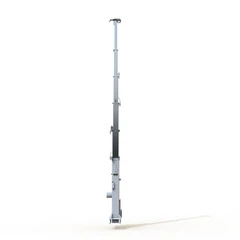
Solar light towers use energy-efficient LED lamps, which consume significantly less power than traditional metal halide or halogen bulbs. LEDs provide bright, uniform illumination while minimizing energy drain. The lights are often mounted on an extendable mast (ranging from 6 to 12 meters) to cover large areas.
Inverter and Charge Controller
An inverter converts the stored DC power from the batteries into alternating current (AC) to run the LED lights and other components. A charge controller regulates the flow of electricity between the solar panels and batteries, preventing overcharging or deep discharging, which can damage the system.
Hybrid Capability (Optional)
Some solar light towers integrate hybrid technology, combining solar panels with a backup generator or grid connection. This ensures uninterrupted operation during extended periods of low sunlight.
II. How the System Operates: Day and Night
Daytime Charging
During daylight hours, the solar panels collect sunlight and convert it into electricity. The charge controller directs this energy to the batteries, which store it until needed. Even on overcast days, modern panels can generate sufficient power to maintain battery levels.
Nighttime Illumination
As dusk falls, an automatic light sensor triggers the system to activate the LED lamps using the stored energy. The mast extends to the desired height, and the lights provide illumination throughout the night. Depending on the battery capacity and LED efficiency, a fully charged solar light tower can operate for 8–12 hours or longer.
Energy Management
Intelligent control systems monitor energy consumption and adjust output based on usage. Some models allow users to dim the lights or activate motion sensors to conserve energy when full brightness isn't required.
III. Advantages of Solar-Powered Light Towers
Zero Emissions and Noise Pollution
Unlike diesel-powered towers, solar units produce no exhaust fumes, carbon emissions, or noise. This makes them ideal for urban projects, environmentally sensitive areas, and indoor use.
Low Operating Costs
Solar energy is free, eliminating the need for fuel. Maintenance is minimal due to fewer moving parts, and LEDs have a lifespan of up to 50,000 hours.
Portability and Quick Deployment
Many solar light towers are mounted on trailers for easy transport. They require no complex setup-simply position the unit, extend the mast, and let the sun do the rest.
Compliance with Sustainability Goals
Companies adopting solar light towers reduce their carbon footprint and align with global ESG (Environmental, Social, Governance) standards, enhancing their brand reputation.
IV. Applications Across Industries
Construction Sites: Provides safe, reliable lighting without fuel deliveries.
Mining Operations: Reduces fire risks in flammable environments.
Disaster Relief: Operates independently of damaged power grids.
Events and Festivals: Offers silent, clean illumination for public gatherings.
V. The Future of Solar Lighting Technology
Innovations such as higher-efficiency solar panels, longer-lasting batteries, and smart IoT-enabled systems (e.g., remote monitoring via apps) are pushing the boundaries of solar light tower performance. As renewable energy costs continue to decline, solar-powered solutions are poised to become the standard for temporary and off-grid lighting needs.
VI.Conclusion
Solar-powered light towers exemplify the marriage of sustainability and practicality. By leveraging renewable energy, they deliver powerful illumination while slashing operational costs and environmental impact. For industries seeking to modernize their operations and meet green targets, these systems represent a forward-thinking investment in both efficiency and planetary health.