




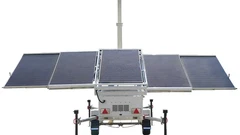


How Can a Mobile Solar Surveillance Trailer Prevent Illegal Dumping?
Illegal dumping, also called fly-tipping, often happens where offenders believe nobody is watching: a rural pull-off, the edge of a vacant lot, a construction access road, or the blind side of a shared waste enclosure. Cleanup alone rarely changes that calculation. If a site remains dark, open, and unmonitored, the same waste can return days later.
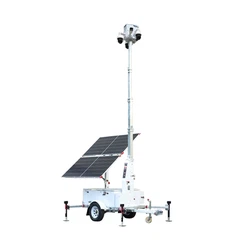
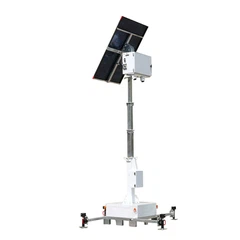
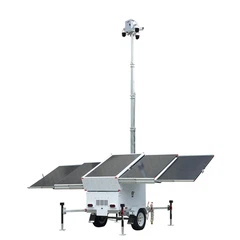
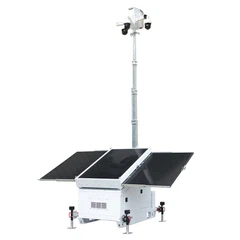
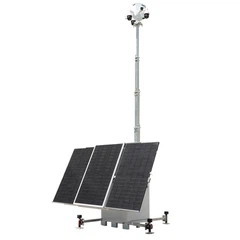
A mobile solar surveillance trailer changes the site without waiting for trenching, grid power, or a permanent security building. It combines an elevated camera position, solar generation, battery storage, and configurable communications on a towable platform. Positioned correctly, it can make monitoring visible, capture useful incident details, send alerts to a remote team, and move when the dumping hotspot moves.
The goal is not to claim that one trailer can eliminate every incident. The goal is to increase the perceived risk of detection, improve evidence quality, shorten response time, and support a broader illegal-dumping prevention plan.

A mobile solar surveillance trailer can bring visible, elevated monitoring to sites without convenient grid power.
Where Does Illegal Dumping Usually Happen?
Illegal dumping is less about one type of property than a repeatable set of conditions: easy vehicle access, low natural surveillance, weak access control, limited lighting, and enough space to unload quickly. The U.S. Environmental Protection Agency notes that illegal dumping can threaten health, safety, property values, and quality of life. Identifying the conditions that make a location attractive to dumpers is the first step toward changing them.
1. Rural Roads, Lay-Bys, and Woodland Entrances
Quiet roads and informal pull-offs give a vehicle room to stop while vegetation or terrain blocks the view from nearby buildings. These sites may also be far from a power connection and expensive to patrol continuously. A trailer can be positioned to watch the approach road, the unloading area, or both.
2. Vacant Lots and Industrial Back Roads
Empty parcels behind warehouses often appear unmanaged after business hours. Gaps in fencing, open gates, and poor lighting can turn them into repeat hotspots for household items, tires, green waste, or construction debris. Because the risk may shift from one entrance to another, a movable system can be more practical than installing a permanent camera at every possible access point.
3. Construction and Demolition Sites
Construction sites already contain materials, containers, and vehicle traffic, so an unauthorized load can be harder to notice. Monitoring the gate, haul route, and waste-storage area helps distinguish approved activity from an after-hours dumping event. Video may also help document vehicle direction, time, and behavior, subject to local law and site policy.
4. Apartment, Retail, and Shared Bin Areas
Bulky items are often left beside dumpsters when access is uncontrolled or residents and contractors do not understand disposal rules. In these locations, surveillance should be paired with clear instructions, accessible legal disposal options, and prompt removal. Education matters because not every incident is driven by the same motive.
5. Utility, Agricultural, and Remote Commercial Land
Solar farms, substations, farms, yards, and other remote properties can have long perimeters and few staff on site. A solar security trailer can create a temporary observation point at a gate, service road, or recurring dump location without adding a permanent grid connection.

Hotspots differ, but most combine easy access with limited visibility and weak guardianship.
Why Can a Mobile Solar Surveillance Trailer Deter Illegal Dumping?
A trailer does not physically stop a vehicle. Its value comes from changing the operating conditions at the hotspot. Instead of an unobserved space, the location becomes visibly monitored and easier to investigate.
Visible Presence Changes the Risk Calculation
An elevated camera mast, solar array, and surveillance signage can be seen before a driver starts unloading. That visibility may be enough to make an opportunistic dumper leave. For known, repeat offenders, recorded video and consistent enforcement become more important than visibility alone.
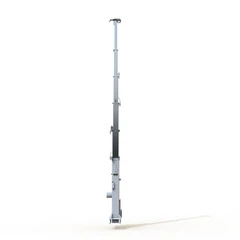
Elevated Cameras See More of the Approach
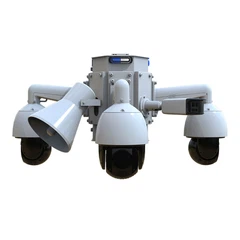
A raised camera position can look over low fencing, parked vehicles, vegetation, or material stacks. It can also help operators cover an entrance and the dumping zone from one platform. The exact camera mix should match the task: a pan-tilt-zoom camera for overview, fixed cameras for reliable views of entry and exit points, and purpose-selected low-light or identification cameras where permitted.
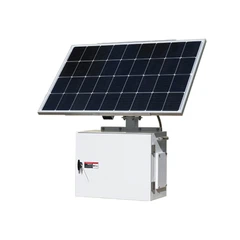
Solar Power Reaches Sites Where Grid Power Is Impractical
Solar panels and onboard battery storage allow the system to operate away from a nearby outlet. This can reduce the delay and civil work associated with a fixed powered installation. Actual autonomy depends on the solar resource, season, weather, battery capacity, camera load, communications equipment, lighting schedule, and system configuration, so the power budget should be calculated for the site rather than assumed.
Remote Alerts Help Teams Respond to Events, Not Empty Screens
When the selected camera and communications package supports analytics, motion rules, or virtual perimeters, the monitoring team can review relevant events instead of watching every feed continuously. A verified alert can prompt a warning message, a site visit, or escalation under the customer's response procedure. Detection settings should be tuned to reduce triggers from vegetation, animals, headlights, or normal site traffic.
Mobility Lets the Monitoring Follow the Problem
Illegal dumping patterns can shift after cleanup, fencing changes, enforcement, or public awareness. A towable platform can be redeployed to the next hotspot, rotated among several sites, or moved as a construction project changes. This is particularly useful for temporary campaigns and locations where a permanent camera would later become redundant.
Recorded Evidence Supports Investigation
Useful footage is more than a wide shot of waste appearing. Investigators may need a clear view of the vehicle, direction of travel, unloading action, timestamp, and surrounding context. Camera placement, image quality, retention, access logs, and evidence-handling procedures all matter. The EPA's Illegal Dumping Prevention Guide includes video monitoring among the tools used to identify and enforce against illegal dumping, while also emphasizing the need to confirm whether footage is admissible before implementation.
How to Use a Solar Surveillance Trailer to Prevent Illegal Dumping

The equipment is only one part of the solution. A good deployment begins with the dumping pattern and ends with a repeatable response process.
Step 1: Map Incidents and Prioritize the Hotspot
Combine complaints, cleanup records, ranger observations, photos, and time-of-day information. Mark vehicle approach routes, legal activity, existing lighting, mobile-network coverage, and places where waste blocks the camera's view. Prioritize sites with repeated incidents or high environmental and cleanup risk.
Step 2: Define What the Camera Must Capture
Write the evidence objective before choosing the position. Do you need an overview of the entire pull-off, a dependable view of the only gate, a closer vehicle-identification angle, or confirmation that unloading occurred? One camera trying to do every job may produce footage that looks impressive but is not operationally useful.
Step 3: Select a Safe, Legal Position
Place the trailer on stable ground with its stabilizers deployed according to the product instructions. Preserve road visibility, emergency access, pedestrian routes, and safe clearance from overhead services. Frame only the area necessary for the stated purpose and comply with local privacy, surveillance, signage, data-retention, and evidence rules.
Step 4: Orient the Solar Array and Verify the Energy Budget
Avoid shade from trees, buildings, poles, or the mast itself. Set the solar-panel orientation and tilt for the location and season where the design allows it. Verify battery state, expected camera and network consumption, lighting hours, and the site's recent solar conditions. If uninterrupted operation is critical, specify an appropriately engineered backup or auxiliary charging option.
Step 5: Configure Cameras, Analytics, Lighting, and Audio
Set fixed views for consistent evidence and use PTZ presets only where they add operational value. Create detection zones around the approach and unloading area while masking busy roads or moving foliage. If lights or speakers are included, use them according to a documented response policy and local rules. The objective is a clear, proportionate warning and reliable recording-not unnecessary disturbance to neighbors.
Step 6: Test the Entire Incident Workflow
Run a daylight and nighttime walk-through using a normal site vehicle. Confirm that the system captures the approach, stopping point, unloading zone, and exit without unacceptable glare or blind spots. Test who receives an alert, how quickly it is reviewed, how clips are exported, where evidence is stored, and who is authorized to contact enforcement.
Step 7: Review Results and Redeploy
Track incidents, false alerts, response time, footage usefulness, cleanup cost, and changes in nearby dumping. If the problem moves, move the trailer or adjust the camera plan. The NSW EPA has documented programs that use hotspot analysis, strategic camera placement, signage, access controls, education, and enforcement together-not as isolated actions. Its surveillance case study also highlights the importance of matching the approach to the motivation and location.
At night, useful coverage depends on camera placement, controlled lighting, communications, and a defined response process.
What Should Be Used with Surveillance?
The strongest illegal-dumping programs make lawful disposal easier and illegal disposal harder. Surveillance increases the chance of detection, but it works best as part of a layered site-management plan.
Clear signs: State that dumping is prohibited, the area is monitored, and how residents or contractors can dispose of waste legally.
Access control: Use gates, fencing, bollards, boulders, or landscaping where these measures will not block legitimate or emergency access.
Prompt cleanup: Remove dumped material quickly when practical so the site does not signal that further dumping is tolerated.
Convenient legal disposal: Promote bulky-waste collection, transfer stations, community cleanup days, and contractor disposal requirements.
Community reporting: Give staff, residents, and neighboring businesses a simple channel for reporting suspicious activity.
Consistent follow-through: Define who verifies events, preserves evidence, issues notices, coordinates cleanup, and measures outcomes.
This layered approach also helps avoid a common mistake: moving the waste to the next unmonitored corner without addressing the reasons people dump there.
Frequently Asked Questions
Q: Can a mobile solar surveillance trailer completely stop illegal dumping?
A: No single device can guarantee that dumping will stop. A visible trailer can deter opportunistic behavior, while cameras, alerts, and recorded footage can improve detection and investigation. Results are strongest when surveillance is paired with access control, signs, legal disposal options, rapid cleanup, and consistent enforcement.
Q: Can the trailer work where there is no grid power?
A: That is a core use case for a solar-powered platform. Solar generation and battery storage can support off-grid operation, but the required system size depends on the connected load, operating schedule, location, season, shade, and weather. Critical applications should be designed from a documented energy budget and may require backup power.
Q: Does remote monitoring work without wired internet?
A: A cellular router or another wireless backhaul can support remote access when compatible coverage and a suitable data plan are available. Where connectivity is limited, a project may use local recording or a different communications method. The network design should be confirmed during site planning.
Q: Should an anti-dumping camera be visible or hidden?
A: Visible monitoring supports deterrence; discreet monitoring may help document persistent offenders who already know dumping is illegal. The choice depends on the objective, risk assessment, local law, signage requirements, and evidence procedure. Some programs use a visible deterrent at the main approach and carefully positioned cameras for dependable evidence.
Q: Where should the trailer be placed?
A: Place it where cameras can capture the vehicle approach, unloading area, and exit while the solar panels receive adequate sunlight and the trailer remains stable and protected. Avoid glare, deep backlighting, moving vegetation, blocked sightlines, unsafe road placement, and unnecessary views into neighboring private areas.